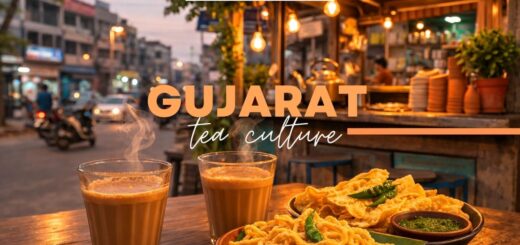
Indian Tea Culture Explained: History, Habits, and Heart
In India, tea is never just tea. It is an invitation, a pause, a habit, and often, a quiet emotional anchor. Indian tea culture lives in millions of small moments — early morning kitchens, crowded railway platforms, roadside tapris, office breaks, and evening conversations at home. It connects generations and social classes through a shared ritual that feels deeply personal yet universally familiar.
This culture did not form overnight. Instead, it evolved through history, emotion, and daily life, shaping how Indians experience comfort and connection.
The roots of tea culture in India
Tea plants grew in India long before tea became a national habit. However, widespread consumption began during the colonial period, when large-scale cultivation expanded in regions like Assam and Darjeeling. Over time, Indians adapted tea to local tastes, adding milk, sugar, and spices. This transformation gave rise to what we now recognise as Indian chai.
Unlike the lighter infusions popular elsewhere, Indian tea became bold, comforting, and practical — designed for daily consumption. As access increased, tea moved from plantations into households, tea stalls, and eventually every corner of the country. Today, tea culture in India reflects both its historical roots and its local innovations.
Indian chai culture and daily life
Chai plays a central role in the Indian lifestyle. It marks the start of the day for many and signals rest in the evening. More importantly, it creates moments of togetherness. Guests are welcomed with tea. Neighbours bond over shared cups. Colleagues reset their minds during chai breaks.
At roadside tea stalls, conversations flow freely. Students discuss exams, workers debate politics, and strangers become temporary companions. These informal spaces make chai a social equaliser. Regardless of background, everyone stands side by side, holding the same warm glass.
This shared experience defines Indian chai culture — simple, accessible, and deeply human.
The emotional side of chai
For many people, chai is tied to emotion. It offers comfort during stress, companionship during loneliness, and warmth during quiet reflection. Indian chai emotions are not dramatic; they are subtle and familiar.
A cup of tea after a long day can feel grounding. Chai during monsoon rains feels nostalgic. Late-night tea during study sessions or work deadlines becomes a silent supporter. Over time, these moments build emotional memory, which is why chai often feels like more than a beverage.
This emotional bond explains why people speak about chai with affection, humour, and even dependence — a theme explored further in our article on chai addiction, where habit meets comfort.
Regional diversity in Indian tea culture
Although chai unites the country, its expression varies widely. From strong kadak chai at roadside stalls to lighter brews in some southern households, tea adapts to regional preferences. Ingredients change, brewing styles differ, and even the time of consumption shifts.
India also has a wide range of traditional teas beyond masala chai. Exploring the types of chai in India reveals how geography, climate, and local customs influence taste. This diversity keeps Indian tea culture dynamic and endlessly interesting.
Tea consumption and modern India
India remains one of the world’s largest tea consumers. Tea fits easily into busy lives because it is affordable, quick to prepare, and widely available. Over the years, consumption patterns have evolved, with urban areas seeing a rise in premium blends and café-style tea spaces.
At the same time, traditional tea stalls continue to thrive. This balance between modern presentation and traditional habits reflects how tea consumption in India adapts without losing its essence.
For official insights into production, heritage, and the industry, resources from the Tea Board of India offer valuable context.
Tea vs coffee: a cultural preference
While coffee culture has grown in recent years, chai still holds a stronger emotional and cultural position for most Indians. Tea is less about performance and more about pause. It invites conversation rather than speed.
This contrast is explored further in our comparison of tea vs coffee, where lifestyle and habit often matter more than caffeine content.
Why Indian tea culture still matters
Indian tea culture survives because it adapts while staying rooted in routine. It lives in homes and highways, silence and laughter, tradition and change. Chai continues to be a constant in a fast-moving world, offering familiarity when everything else shifts.
More than anything, tea reminds people to slow down — even if only for a few minutes. That simple pause is what keeps Indian tea culture alive, relevant, and deeply loved.