Types of Tea in India: A Complete Guide to Indian Tea Varieties
India is a country where tea is more than a beverage — it’s culture, ritual, and comfort in a cup. From misty Himalayan slopes to sun-drenched southern hills, the types of tea in India reflect climate, history, and local tastes. Whether you’re a curious beginner or a devoted chai lover, this guide will walk you through the most important types of tea in India, the leaves that make them, and what makes each one special.
Quick snapshot: what you’ll find
- Classic black teas: Assam, Darjeeling, Nilgiri
- Speciality orthodox & white teas: Darjeeling first flush, white tea variants
- Green tea and herbal infusions are gaining ground
- CTC (Crush–Tear–Curl) teas for strong, everyday chai
- Regional tastes and blends: masala chai, lemon tea, and kombucha-style infusions
1. Assam — the powerhouse of strength
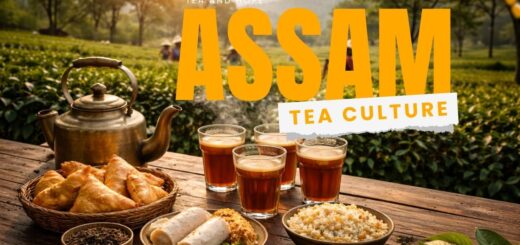
Assam tea, grown in India’s northeastern lowlands, is famous for its bold, malty flavour and deep colour. It’s often the backbone of breakfast blends and the base for the strong milk-and-sugar chai millions enjoy daily. When you think of robust, energising tea, Assam usually fits the bill. (Sub-keywords: different types of tea grown in India, Assam tea.)
2. Darjeeling — the “Champagne” of teas
From the foothills of the Himalayas comes Darjeeling, prized for its delicate muscatel aroma and floral notes. Darjeeling teas are typically harvested in flushes — first flush (light, fragrant), second flush (richer, muscatel), and autumnal (mellow). These are often made using orthodox methods that preserve nuanced flavours. (Use as a related keyword: Darjeeling tea, different types of tea leaves in India.)
3. Nilgiri — the smooth southern star
The Nilgiri hills produce teas that are fragrant, brisk, and slightly fruity. Nilgiri teas are often used in blends and are a great choice for those who want a full cup that’s not as heavy as Assam. Their consistent quality makes them a staple for many tea-driven households and cafes.
4. CTC — the workhorse for everyday chai
(Crush–Tear–Curl) CTC refers to a processing style that produces small, compact tea granules. CTC teas brew quickly and yield a strong, dark liquor — perfect for masala chai and milk-heavy preparations. If you grew up sipping strong, milky chai at roadside stalls, there’s a good chance it contained CTC tea.
5. Green and white teas — lighter, newer favourites
India also grows high-quality green and white teas — especially in Darjeeling and the Nilgiris. Green tea offers vegetal, fresh flavours and is increasingly popular for health-conscious drinkers. White tea, harvested with minimal processing, is delicate and subtle — think gentle floral and honey notes.
6. Flavoured & orthodox speciality teas
Beyond single-origin cups, India produces an array of flavoured and orthodox teas: smoky teas, floral blends, and modern fruit or spice-infused blends. Traditional Indian favourites include masala chai (spiced tea) and regional herbal blends featuring tulsi (holy basil), ginger, lemongrass, and cardamom.
How leaves and processing shape taste
Understanding different types of tea leaves in India — like Camellia sinensis var. assamica (common in Assam) versus sinensis varieties used at higher elevations — helps explain flavour differences. Processing methods (orthodox vs CTC vs rolling for green/white) determine oxidation, aroma, and body. Small changes in plucking—bud-only vs full leaf—change the final cup dramatically.
Brewing tips for better cups
- For strong milky chai: use CTC or Assam, boil with water + milk and a pinch of salt or baking soda for a creamier mouthfeel.
- For Darjeeling or delicate teas: steep at lower temperatures (80–85°C) for shorter times to preserve aroma.
- For green teas: quick steep (1–2 minutes) at 70–80°C to avoid bitterness.
Where to learn more
If you enjoyed this overview of types of tea in India, you might like my deeper pieces on regional tea culture — check out my earlier post on different types of chai in India for more on local chai traditions, and tea consumption in India for consumption trends and cultural context. For a deeper dive into Indian tea history and statistics, the Tea Board of India has useful resources:— a trusted outbound source for growers, industry stats, and export data.
Final steep: why India’s tea scene matters
From village chai corners to speciality tea rooms, the types of tea in India tell a story of geography, colonial history, and evolving taste. Whether you prefer a robust Assam with breakfast, a fragrant Darjeeling for afternoon calm, or a spicy masala chai on a rainy evening — India offers a cup for every mood. Pour yourself a cuppa, and let the country’s varied teas do the talking